Learning about measurements is an essential part of a child’s educational journey, starting from kindergarten. At this stage, introducing concepts in a fun and interactive manner is crucial for their development and understanding. One effective way to teach measurements to kindergarten students is by using non-standard units. These units are everyday objects that children are familiar with, such as blocks, pencils, or even their own feet, which can be used to measure length, weight, or capacity.
The use of non-standard units makes learning more relatable and accessible for young children. It helps them understand complex concepts in simpler terms, using objects they encounter daily. This approach not only aids in their academic development but also fosters their problem-solving skills and creativity. As educators and parents, providing children with engaging tools and activities, such as measurement worksheets, can significantly enhance their learning experience.
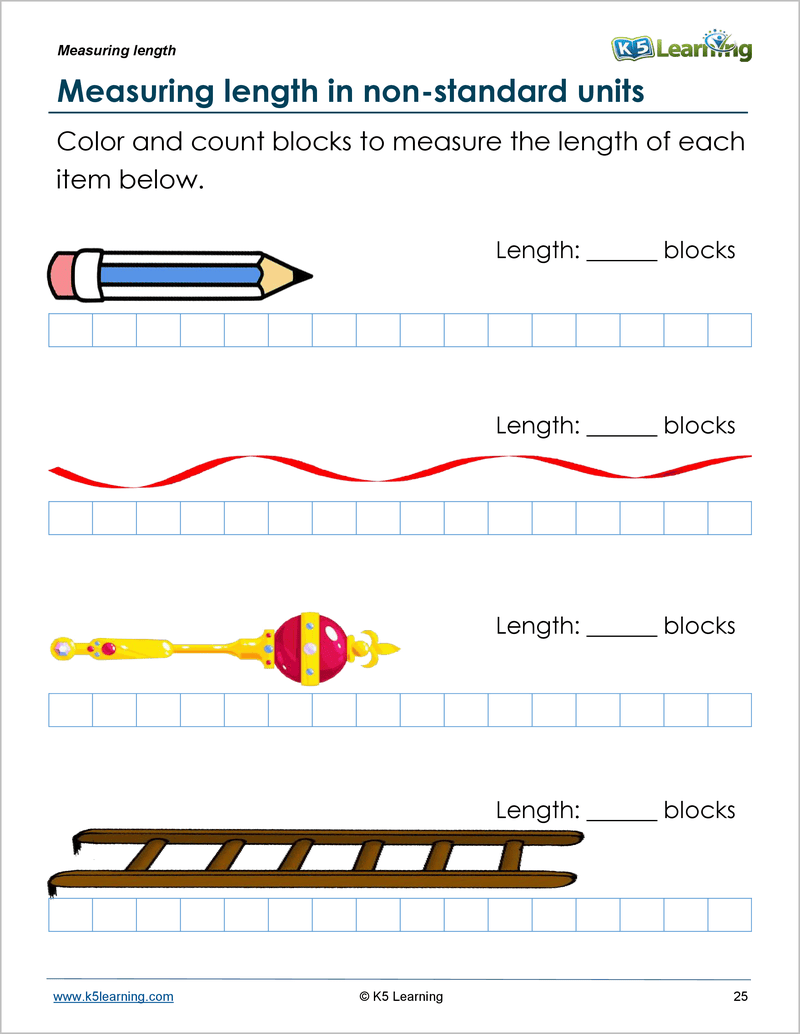
Kindergarten Measure Time Money Workbook K5 Bookstore
Introduction to Non-Standard Units
When introducing non-standard units to kindergarten students, it’s vital to start with basic concepts. For instance, measuring the length of a toy car using blocks or the height of a plant using fingers. This method allows children to visualize and comprehend measurements in a tangible way. Worksheets designed with these activities can include pictures of various objects and ask children to measure them using non-standard units, making the learning process both fun and challenging.
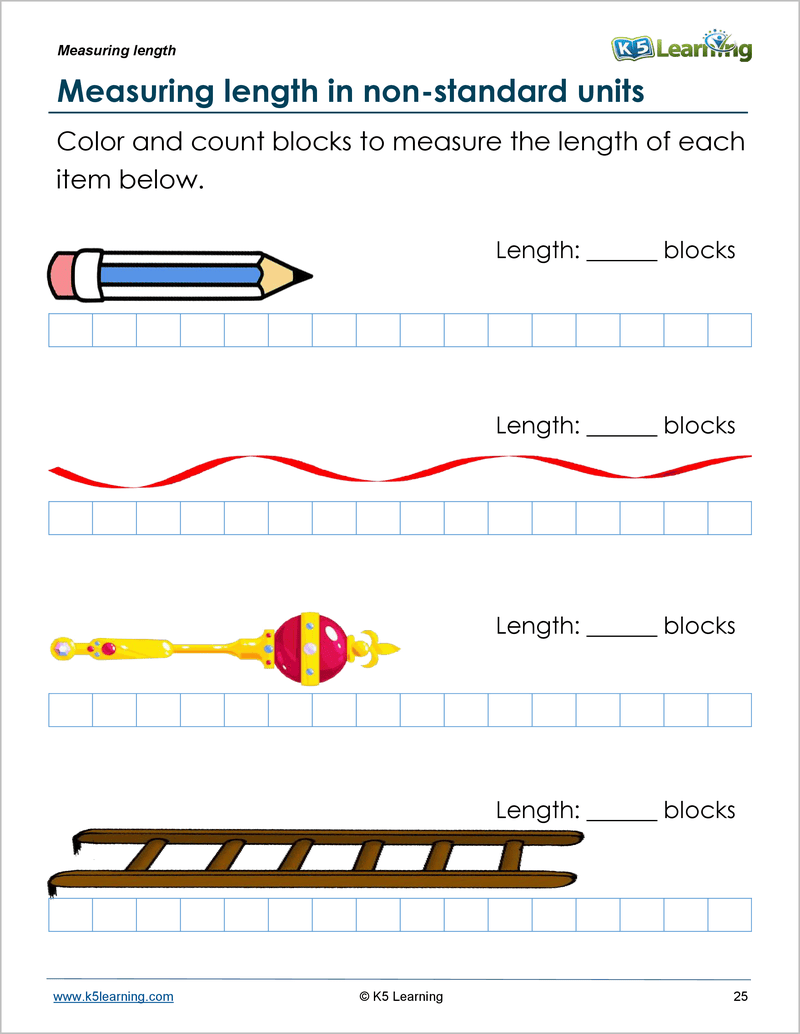
Kindergarten Measure Time Money Workbook K5 Bookstore
Benefits of Using Non-Standard Units in Kindergarten
The benefits of using non-standard units in kindergarten are multifaceted. Not only do they provide a foundation for understanding standard units later on, but they also encourage children to think critically about measurements and comparisons. By using everyday objects, children learn to approximate and understand the relationship between different sizes and quantities. This skill is essential for their future academic success and real-life applications. Moreover, it builds their confidence in tackling mathematical problems, making them more eager to learn and explore.
Creating Engaging Measurement Worksheets
Creating engaging measurement worksheets for kindergarten involves a combination of creativity and educational expertise. These worksheets should include a variety of activities, such as matching objects of different lengths, comparing weights using non-standard units, or measuring the capacity of containers. The key is to make each activity visually appealing and easy to understand, with clear instructions and colorful illustrations. By doing so, educators can ensure that children enjoy the learning process while gaining a solid understanding of measurement concepts.
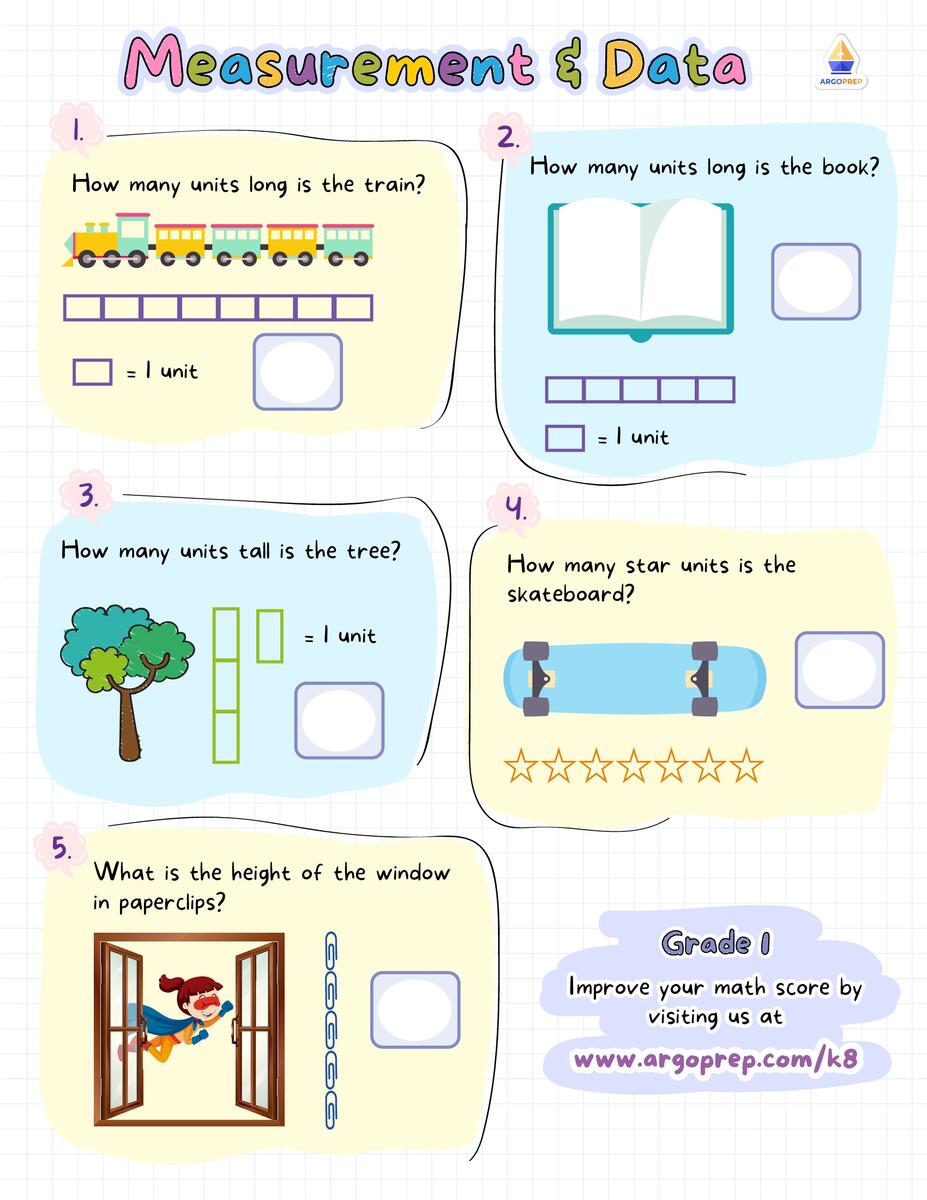
Length Non Standard Units Worksheets Grade 1 ArgoPrep
In conclusion, incorporating measurement worksheets that use non-standard units into kindergarten education can have a profound impact on how children perceive and understand measurements. It’s a teaching method that not only simplifies complex concepts but also makes learning an enjoyable experience. As we strive to provide the best possible education for our children, embracing innovative and interactive approaches like this can pave the way for their future success and curiosity about the world around them.
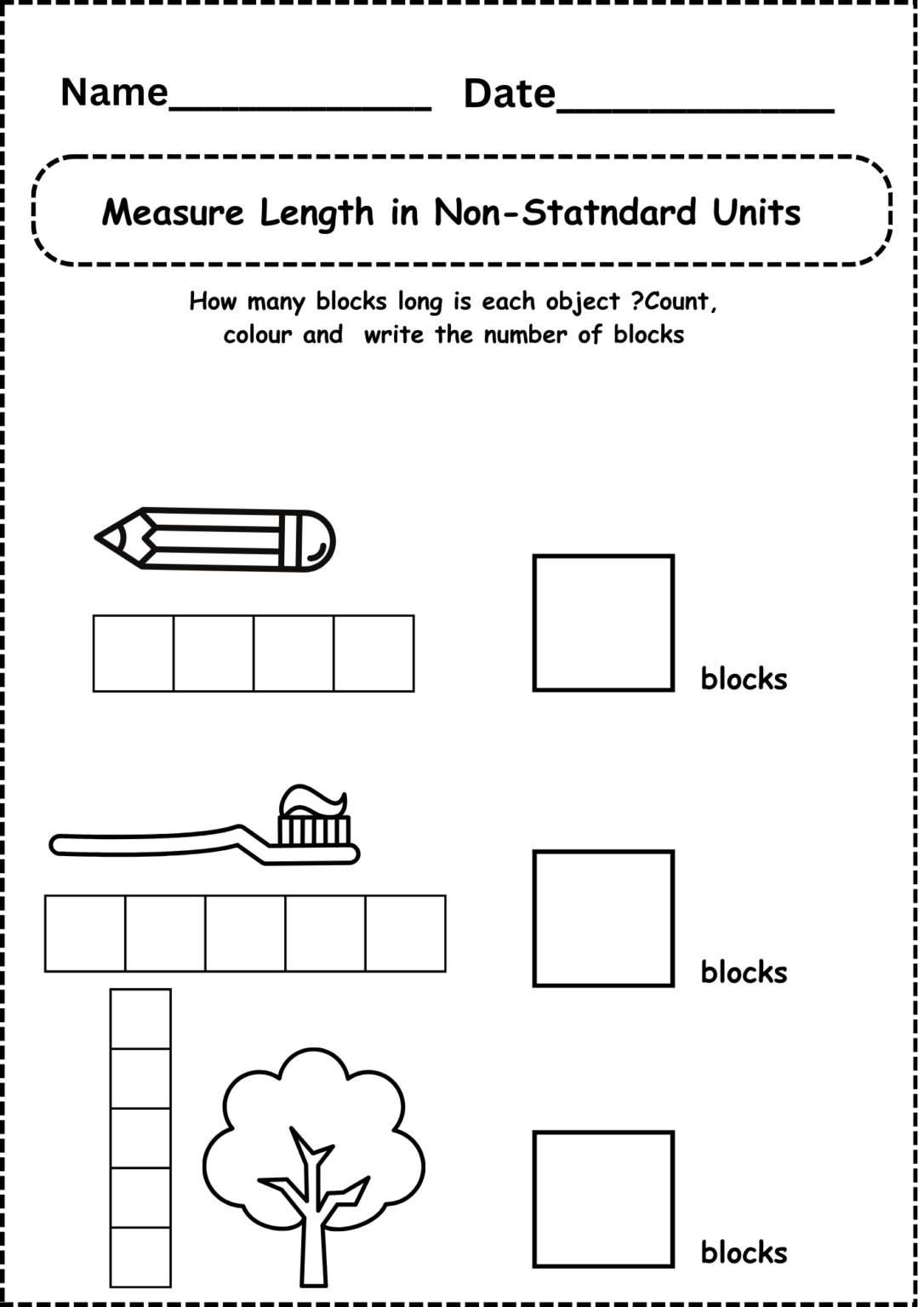
Kindergarten Measurement Worksheet 2 Free
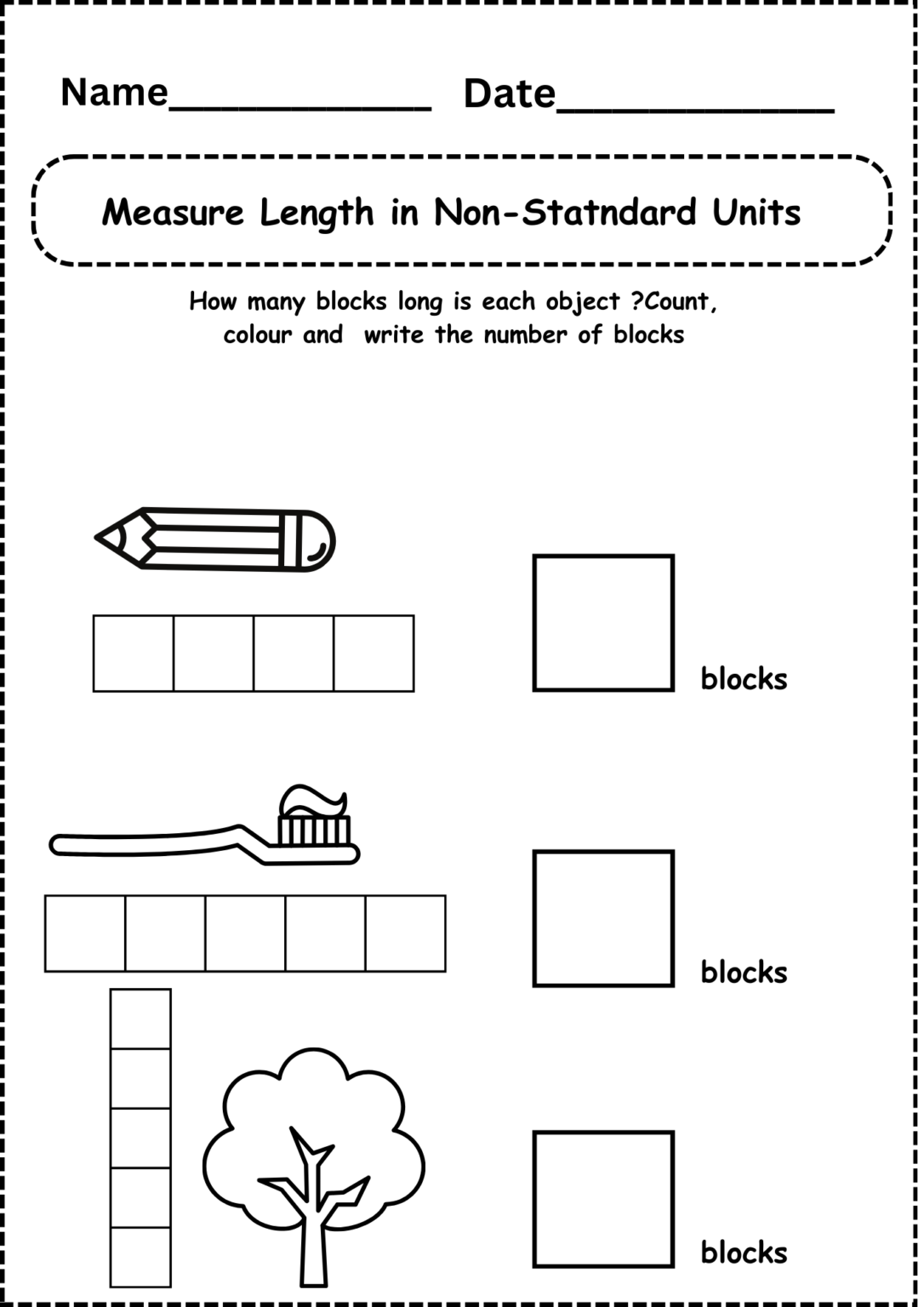
Kindergarten Measurement Worksheet 2 Free