Learning about shapes is an essential part of a child’s educational journey, especially in kindergarten. At this stage, children begin to develop their problem-solving skills and understand basic geometry concepts. One of the fundamental concepts in geometry is the difference between 2D and 3D shapes. A 2D shape is a flat shape with length and width, but no depth, while a 3D shape has length, width, and depth. Understanding this concept can be challenging for young children, but with the right tools and activities, they can grasp it quickly.
To help kindergarten children learn about 2D and 3D shapes, teachers and parents can use various worksheets and activities. These worksheets can include puzzles, matching games, and drawing exercises that require children to identify and create different shapes. One of the most effective ways to teach children about shapes is through hands-on activities, such as building blocks, playdough, and crafts. These activities allow children to explore and interact with different shapes, making learning a fun and engaging experience.
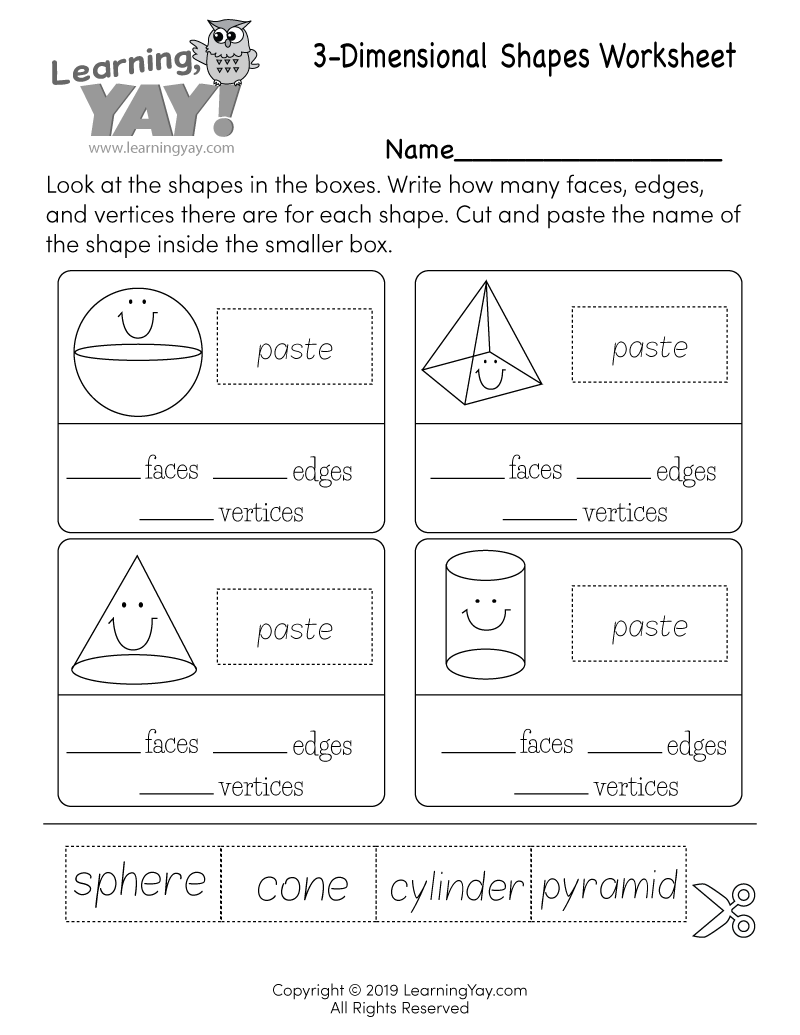
Sorting 2D And 3D Shapes Worksheet For 1st Grade Free Printable
Understanding 2D Shapes
When teaching children about 2D shapes, it’s essential to start with basic shapes like squares, circles, and triangles. These shapes can be introduced through various activities, such as tracing, coloring, and puzzles. Children can learn to recognize and identify these shapes in different contexts, such as in pictures, objects, and real-life scenarios. For example, a child can learn to identify a square shape in a picture of a house or a circle shape in a picture of a ball.
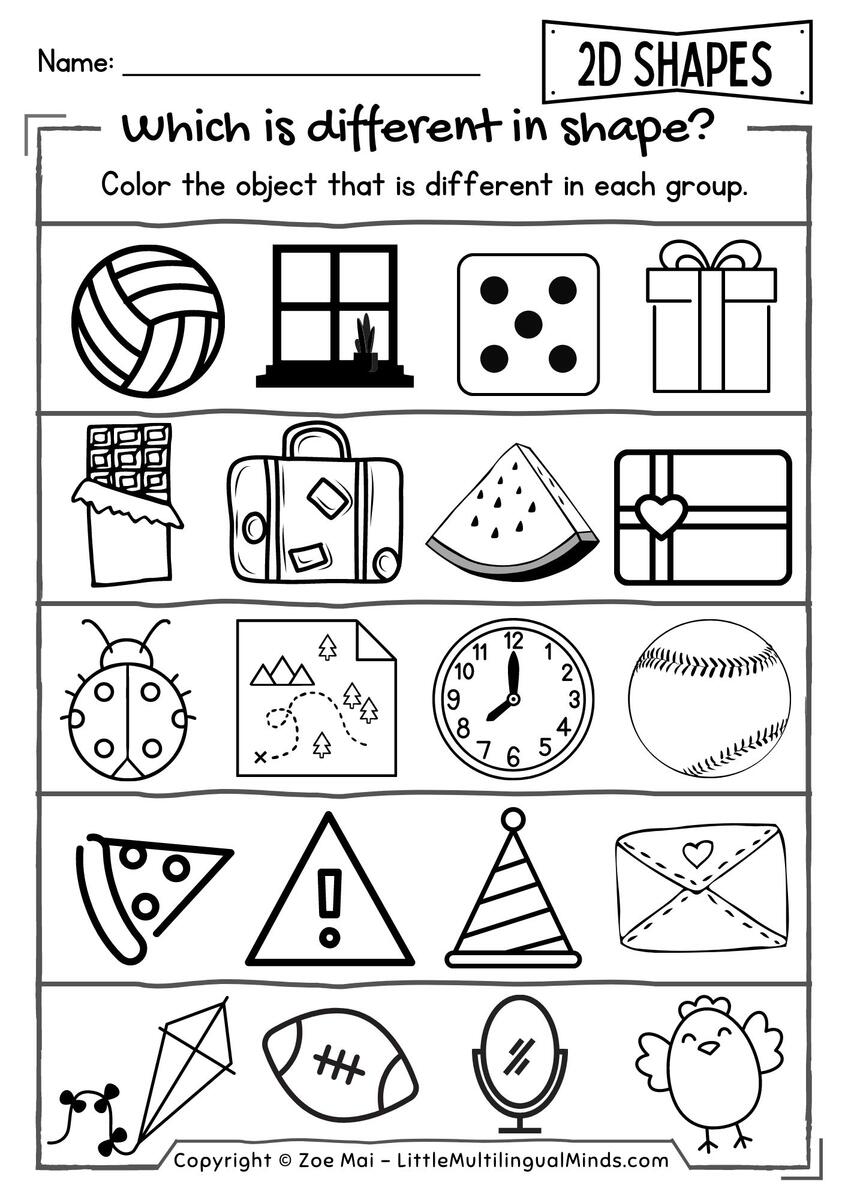
2D And 3D Shapes Sort And Identify Activities Worksheets Pre K Kindergarten Made By Teachers
Exploring 3D Shapes
Exploring 3D shapes can be a fun and exciting experience for kindergarten children. Teachers and parents can use various materials, such as blocks, cubes, and spheres, to help children understand the concept of depth and dimension. Children can learn to identify and create different 3D shapes, such as cubes, cones, and cylinders, through hands-on activities and crafts. For example, a child can learn to build a cube using blocks or create a cone shape using playdough.
Comparing 2D and 3D Shapes
Comparing 2D and 3D shapes is an essential part of learning about geometry. Children can learn to identify the differences between flat and solid shapes, and understand how 2D shapes can be combined to create 3D shapes. For example, a child can learn that a cube is made up of six square shapes, or that a sphere is a 3D shape that is curved and has no edges. By comparing and contrasting 2D and 3D shapes, children can develop a deeper understanding of geometry concepts and improve their problem-solving skills.
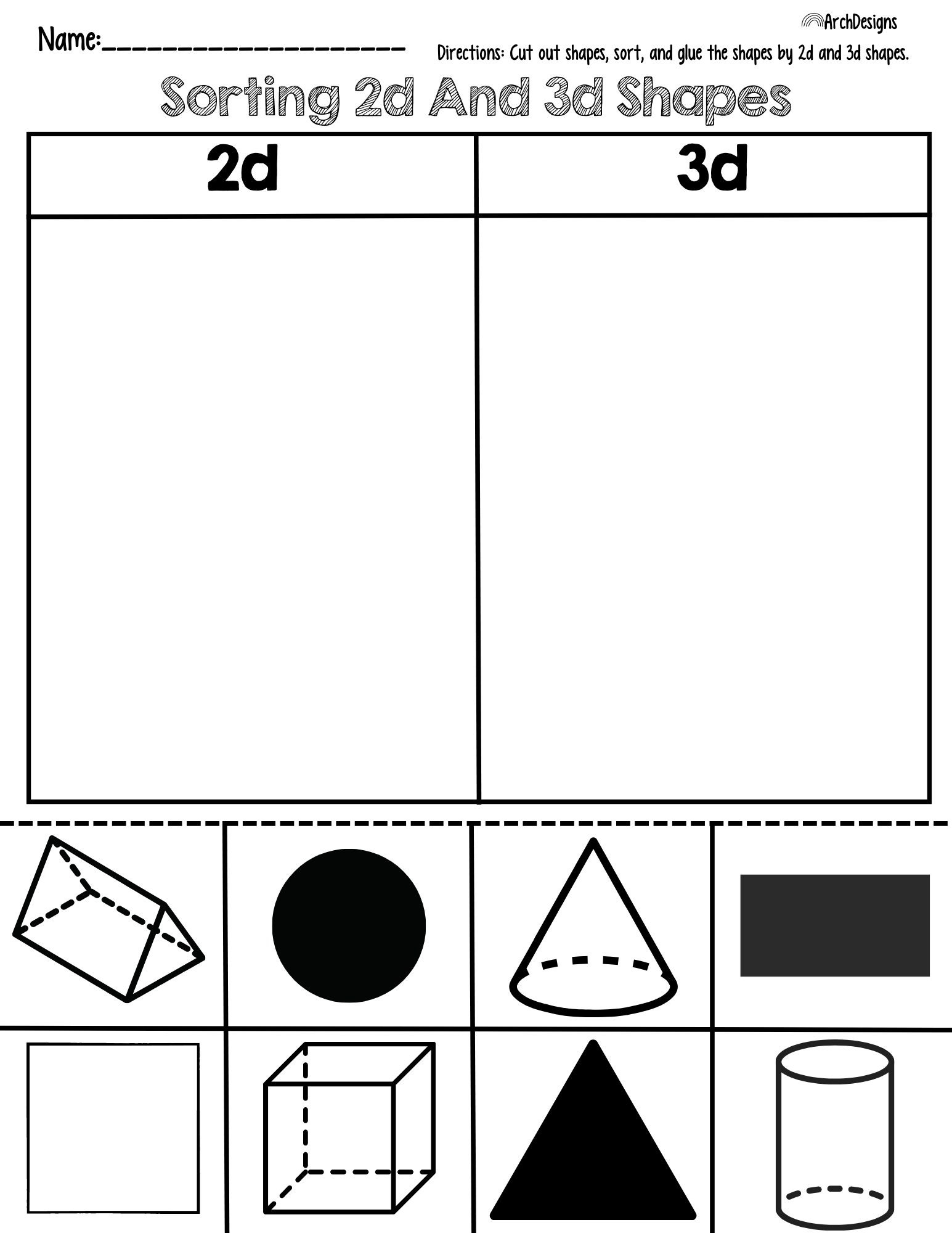
Sorting 2d And 3d Shapes Etsy
In conclusion, teaching kindergarten children about 2D and 3D shapes can be a fun and engaging experience with the right tools and activities. By using worksheets, puzzles, and hands-on activities, children can develop a strong foundation in geometry and improve their problem-solving skills. Whether you’re a teacher or a parent, you can help your child learn about shapes and develop a lifelong love of learning and exploration.
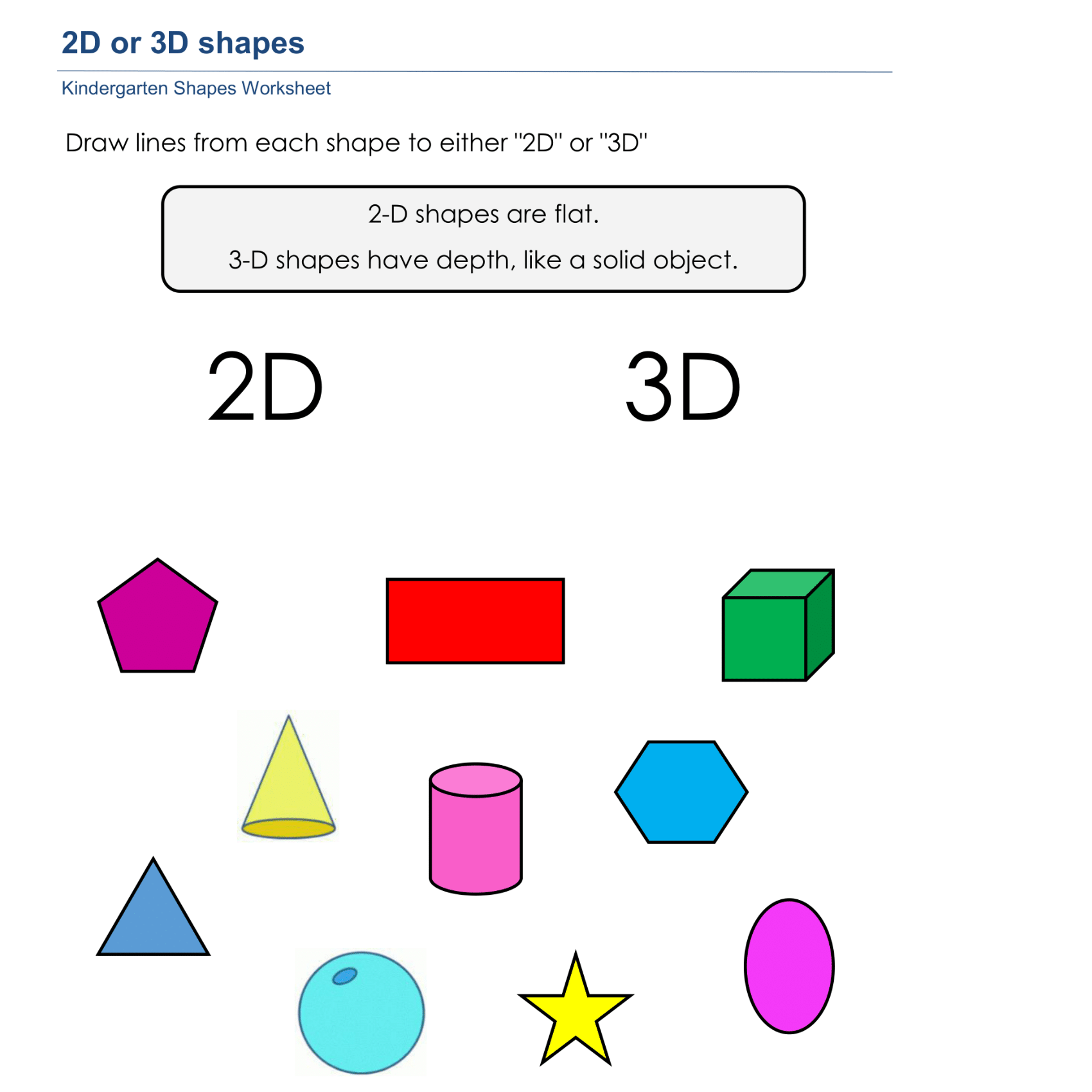
Exploring 2D Vs 3D Shapes Hands On Geometry Worksheets Made By Teachers
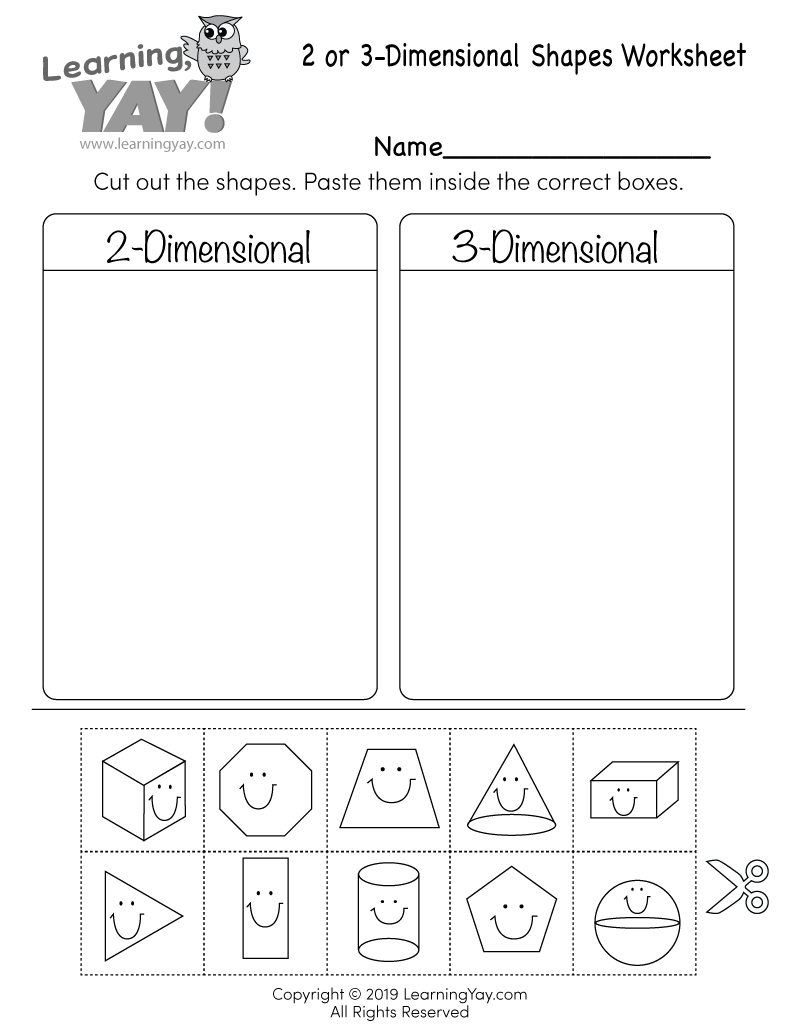
Sorting 2D And 3D Shapes Worksheet For 1st Grade Free Printable