Teaching kindergarten students about living and nonliving things is a fundamental part of their science education. At this age, children are naturally curious and love to explore the world around them. Introducing the concept of living and nonliving things helps them develop a basic understanding of the natural world and how things interact with each other. Living things, such as plants and animals, have characteristics like growth, movement, and the ability to reproduce, whereas nonliving things, like rocks and toys, do not exhibit these traits.
To make learning fun and engaging, kindergarten teachers often rely on worksheets and activity sheets. These resources provide a structured way for children to learn and practice new concepts. Living and nonliving worksheets for kindergarten are designed to be visually appealing, easy to understand, and filled with simple, yet effective, activities that promote learning. By using these worksheets, teachers can help their students develop essential skills like observation, classification, and critical thinking.
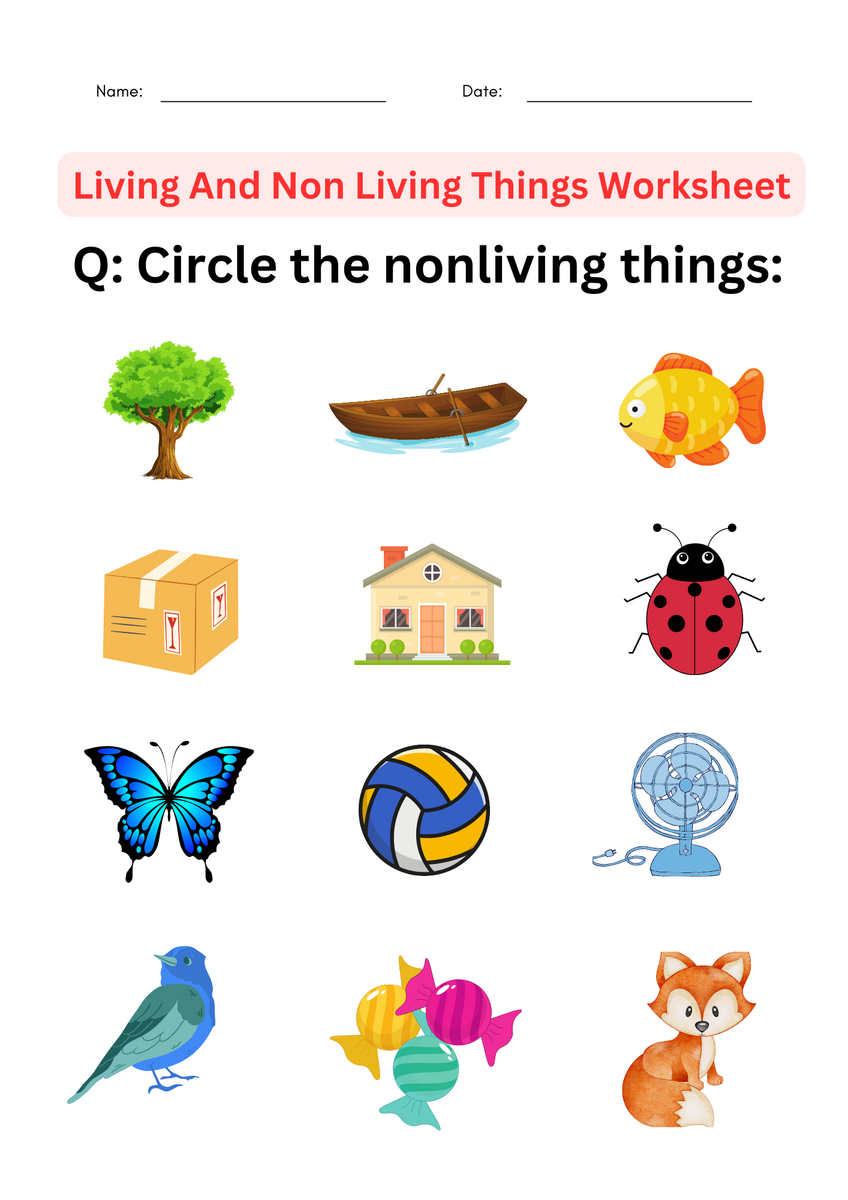
Science Living And Non Living Things Worksheet For Grade 1 2 3 4 Made By Teachers
Introduction to Living and Nonliving Things
When introducing the concept of living and nonliving things, it’s essential to start with the basics. Living things, such as plants and animals, are characterized by their ability to grow, move, and respond to their environment. Nonliving things, on the other hand, do not exhibit these traits. Worksheets can help students understand these differences by providing simple examples and activities that encourage classification and comparison. For instance, a worksheet might ask students to sort pictures of living and nonliving things into separate categories, promoting critical thinking and problem-solving skills.
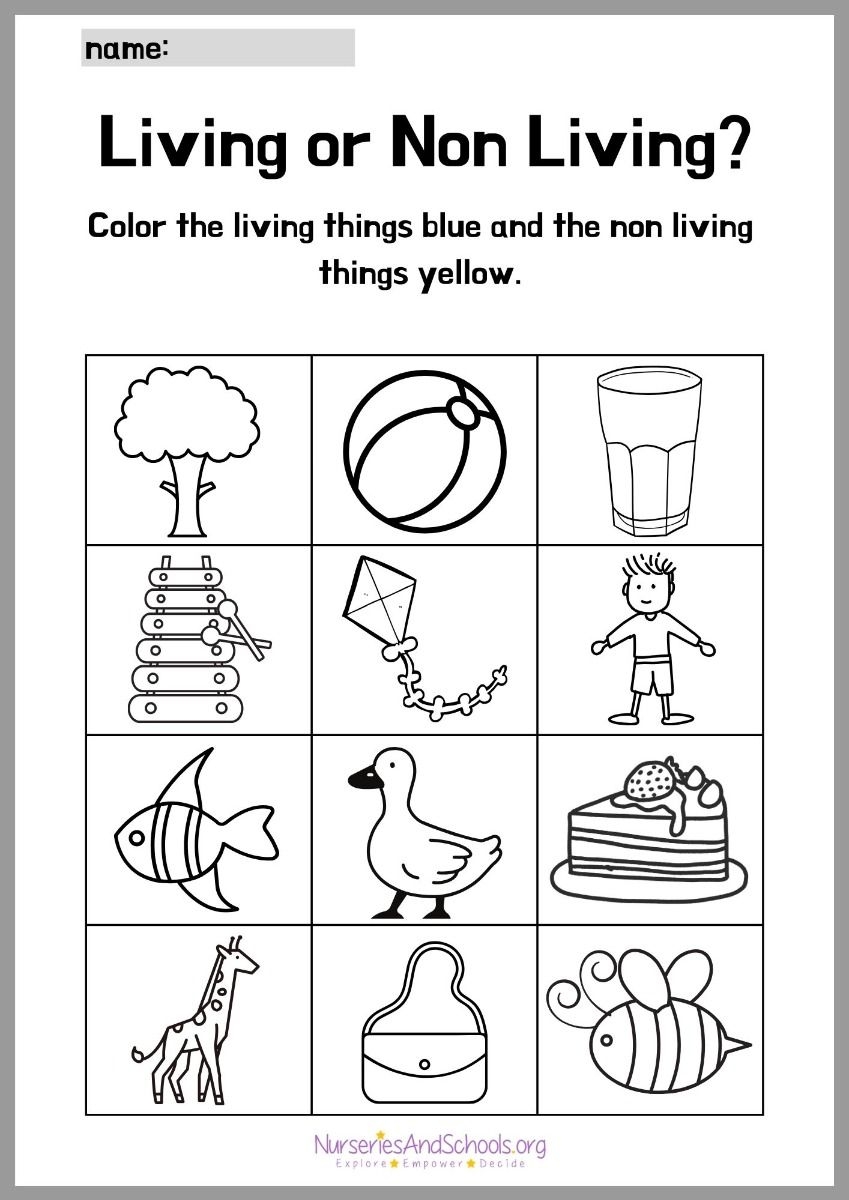
Living And Non Living Things Coloring Worksheet
Benefits of Using Worksheets
Using living and nonliving worksheets in the kindergarten classroom offers numerous benefits. These resources can help students develop their observation skills, learn to classify objects, and understand the basic needs of living things. Worksheets can also be adapted to fit different learning styles, making them an excellent tool for teachers who want to engage their students in a variety of ways. Additionally, worksheets provide a convenient way to assess student understanding and identify areas where further instruction may be needed.
Tips for Teaching Living and Nonliving Concepts
To get the most out of living and nonliving worksheets, teachers should consider a few tips. First, make sure the worksheets are aligned with the curriculum and learning objectives. Second, choose worksheets that are visually appealing and easy to understand. Third, provide opportunities for students to work in pairs or small groups, promoting collaboration and discussion. Finally, be sure to provide feedback and encouragement, helping students build confidence in their abilities and develop a love for learning.
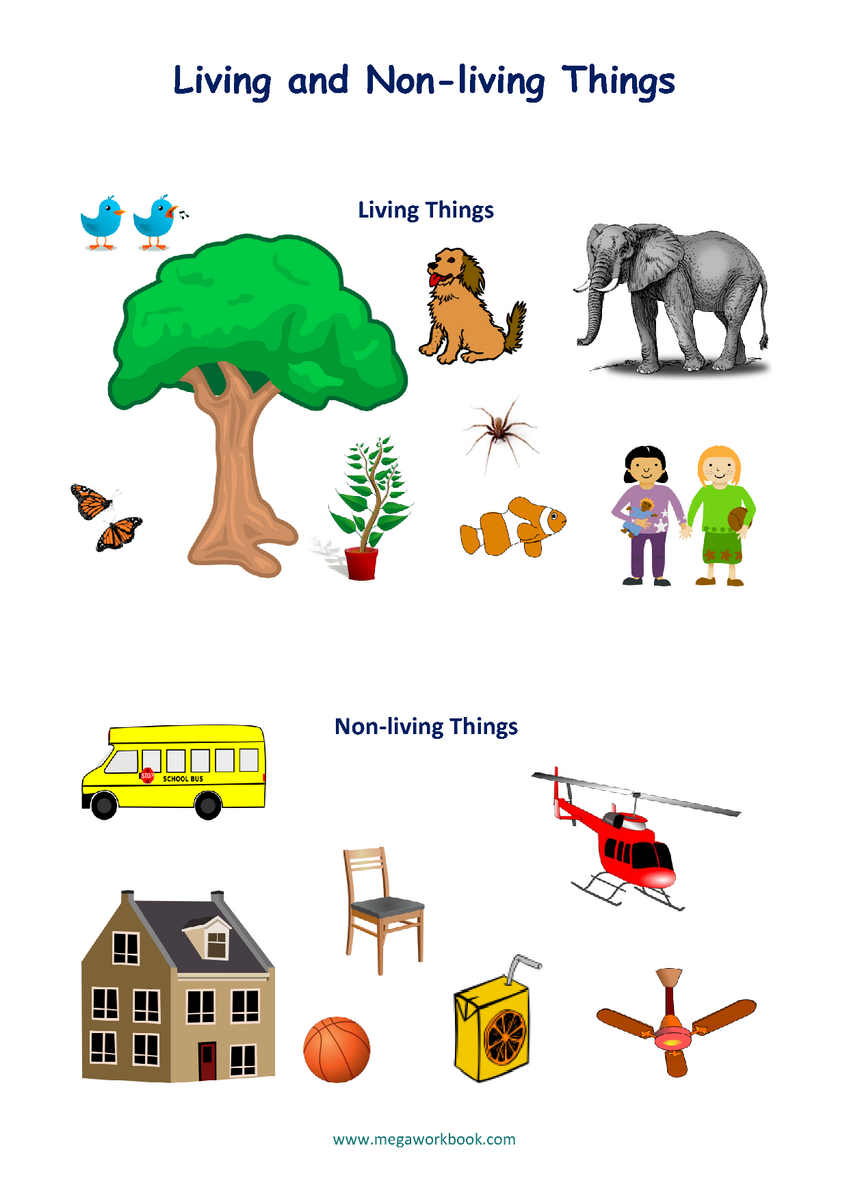
Living And Non Living Things Worksheets Characteristics Of Living Things MegaWorkbook
By incorporating living and nonliving worksheets into their teaching practice, kindergarten teachers can create a fun and engaging learning environment that promotes curiosity, creativity, and critical thinking. These resources can help students develop a deeper understanding of the natural world and lay the foundation for future science education. With their colorful illustrations, simple language, and engaging activities, living and nonliving worksheets are an excellent way to introduce young learners to the wonders of the world around them.
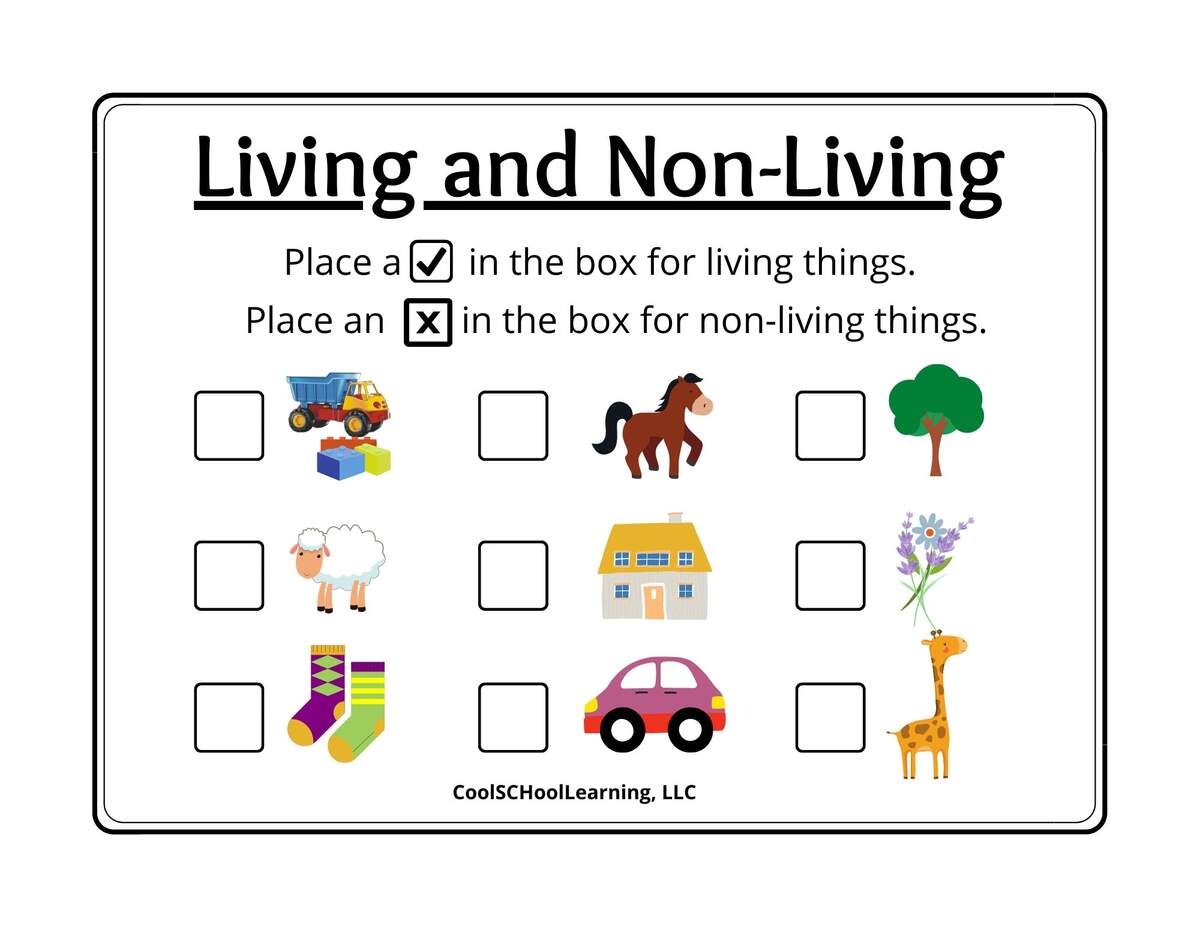
Living And Non Living Printable Preschool Activities Kindergarten Readiness PDF Digital Download Etsy
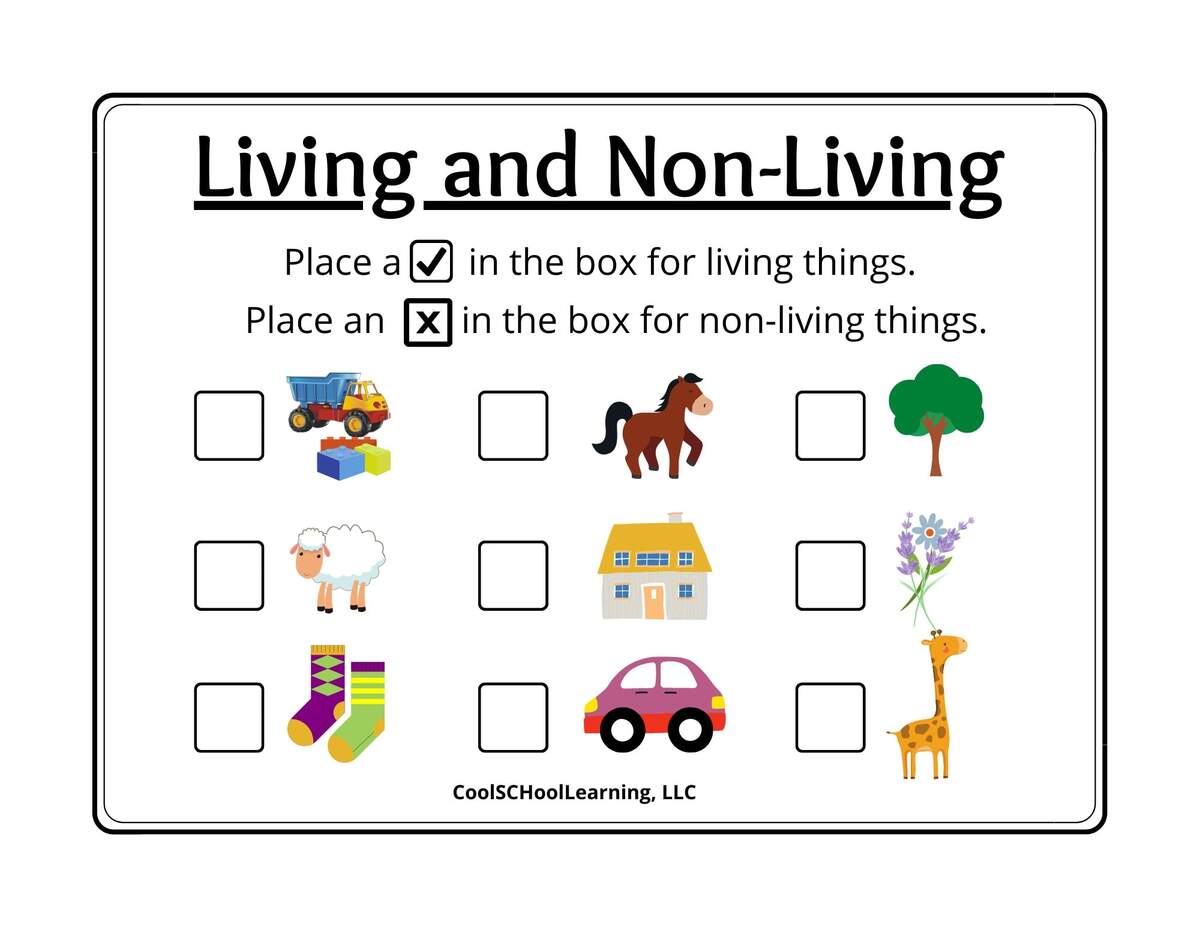
Living And Non Living Printable Preschool Activities Kindergarten Readiness PDF Digital Download Etsy