Learning a new language can be a daunting task, especially for young children. However, introducing kids to basic vocabulary at an early age can make a significant difference in their language development. One of the most exciting and engaging ways to teach kindergarten students Spanish is through food vocabulary. Who doesn’t love talking about their favorite foods? By using food vocabulary in Spanish worksheets, kindergarten teachers can make learning fun and interactive.
Food plays a significant role in every culture, and teaching children about different types of food can help them appreciate the diversity of languages and traditions. Moreover, food vocabulary is a practical and useful set of words that children can use in their daily lives. Whether it’s ordering food at a restaurant or shopping at a market, knowing basic food vocabulary in Spanish can be incredibly helpful. With the right resources, kindergarten teachers can create a comprehensive and engaging lesson plan that introduces children to the world of Spanish food vocabulary.
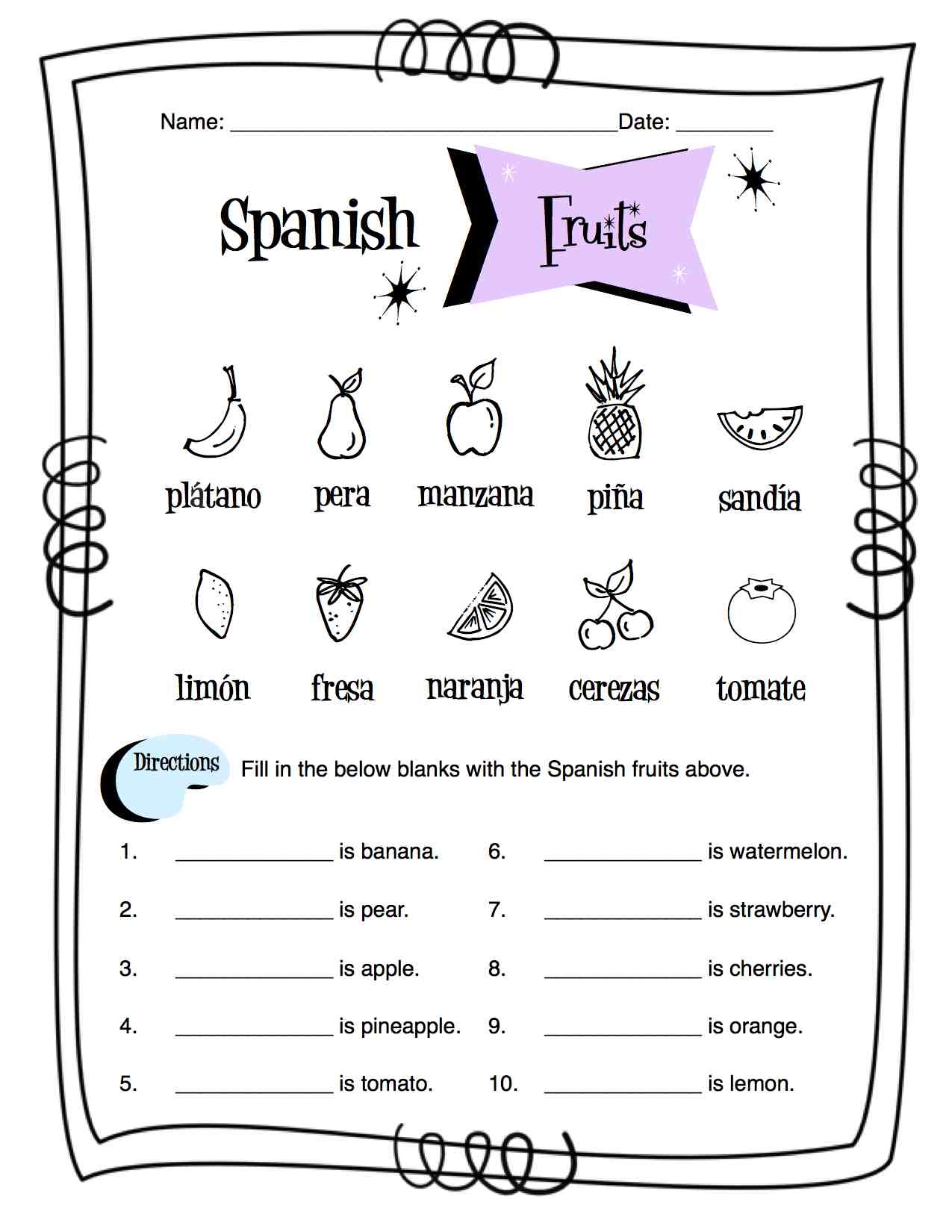
Spanish Fruits Worksheet Packet Made By Teachers
Introduction to Food Vocabulary
When introducing kindergarten students to food vocabulary, it’s essential to start with basic words and phrases. Teachers can begin by teaching the names of common foods, such as fruits, vegetables, and dairy products. Using visual aids like pictures and flashcards can help children associate the words with the actual food items. Additionally, teachers can use songs, rhymes, and games to make learning more engaging and fun. By providing a solid foundation in food vocabulary, teachers can help children build their confidence and develop a love for the Spanish language.
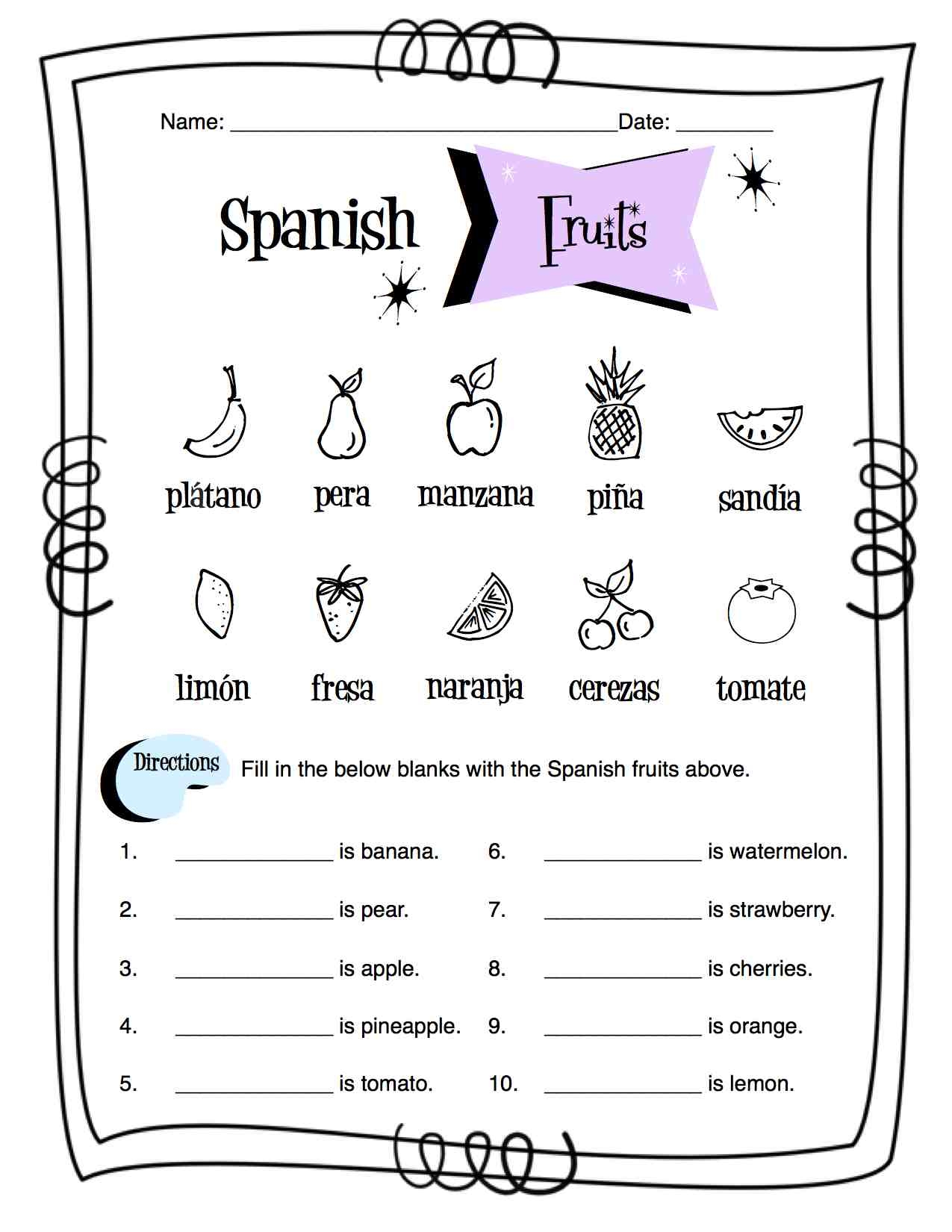
Spanish Fruits Worksheet Packet Made By Teachers
Benefits of Teaching Food Vocabulary
Teaching food vocabulary to kindergarten students has numerous benefits. Not only does it introduce children to a new language, but it also helps them develop essential skills like memory, concentration, and communication. Moreover, learning about different types of food can encourage children to try new things and develop healthy eating habits. By incorporating food vocabulary into their lesson plans, teachers can create a well-rounded and engaging curriculum that caters to different learning styles and abilities. With the right approach, kindergarten students can develop a strong foundation in Spanish and a lifelong love for learning.
Engaging Kindergarten Worksheets
One of the most effective ways to teach food vocabulary to kindergarten students is through engaging worksheets. These worksheets can include a variety of activities, such as matching games, word searches, and coloring pages. Teachers can also create worksheets that focus on specific themes, like fruits, vegetables, or desserts. By using worksheets that are both fun and educational, teachers can help children develop their language skills and build their confidence. Moreover, worksheets can be easily adapted to cater to different learning styles and abilities, making them an excellent resource for kindergarten classrooms.
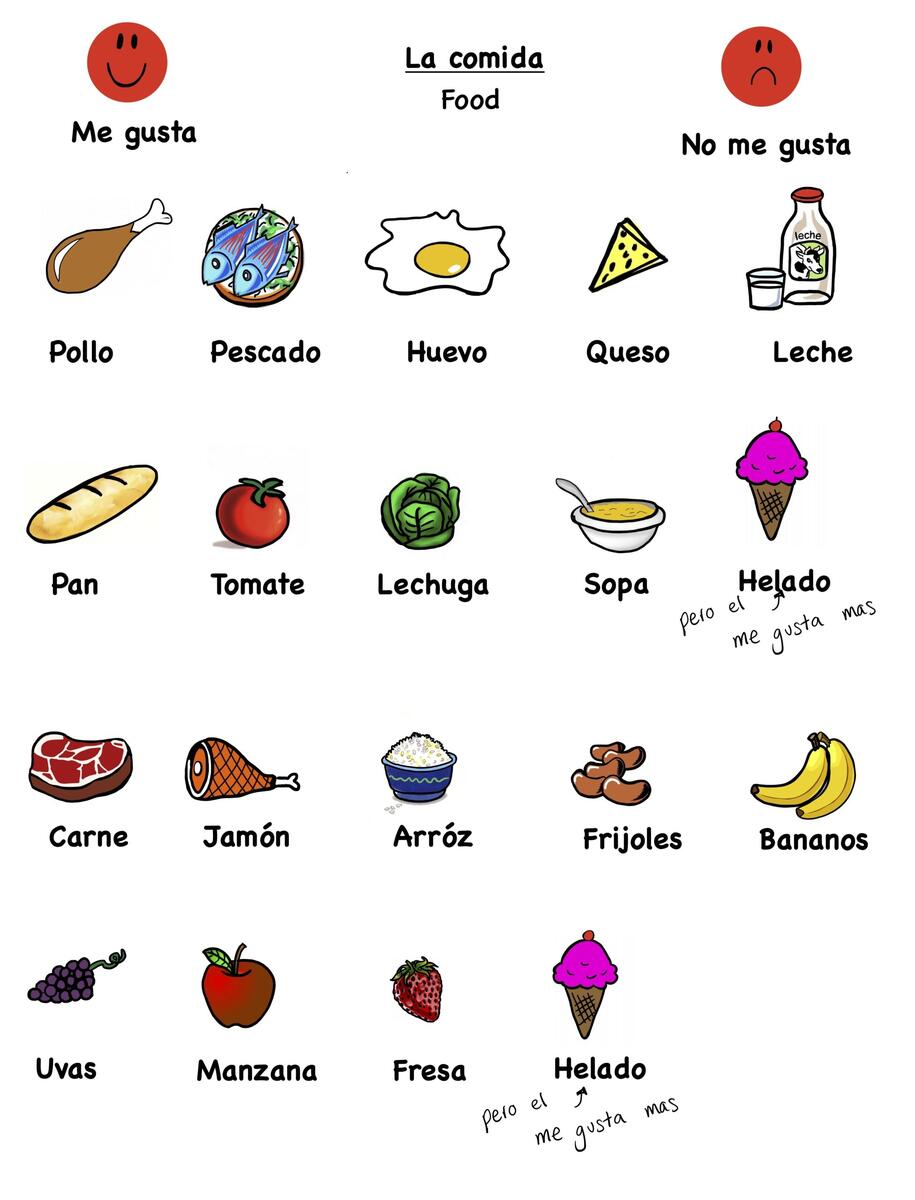
Vocabulary Food Learning Spanish With Johanna
In conclusion, teaching food vocabulary to kindergarten students is an excellent way to introduce them to the Spanish language. With the right resources and approach, teachers can create a comprehensive and engaging lesson plan that caters to different learning styles and abilities. By incorporating food vocabulary worksheets into their curriculum, teachers can help children develop essential skills, build their confidence, and develop a lifelong love for learning. So why not get started today and explore the world of Spanish food vocabulary with your kindergarten students?
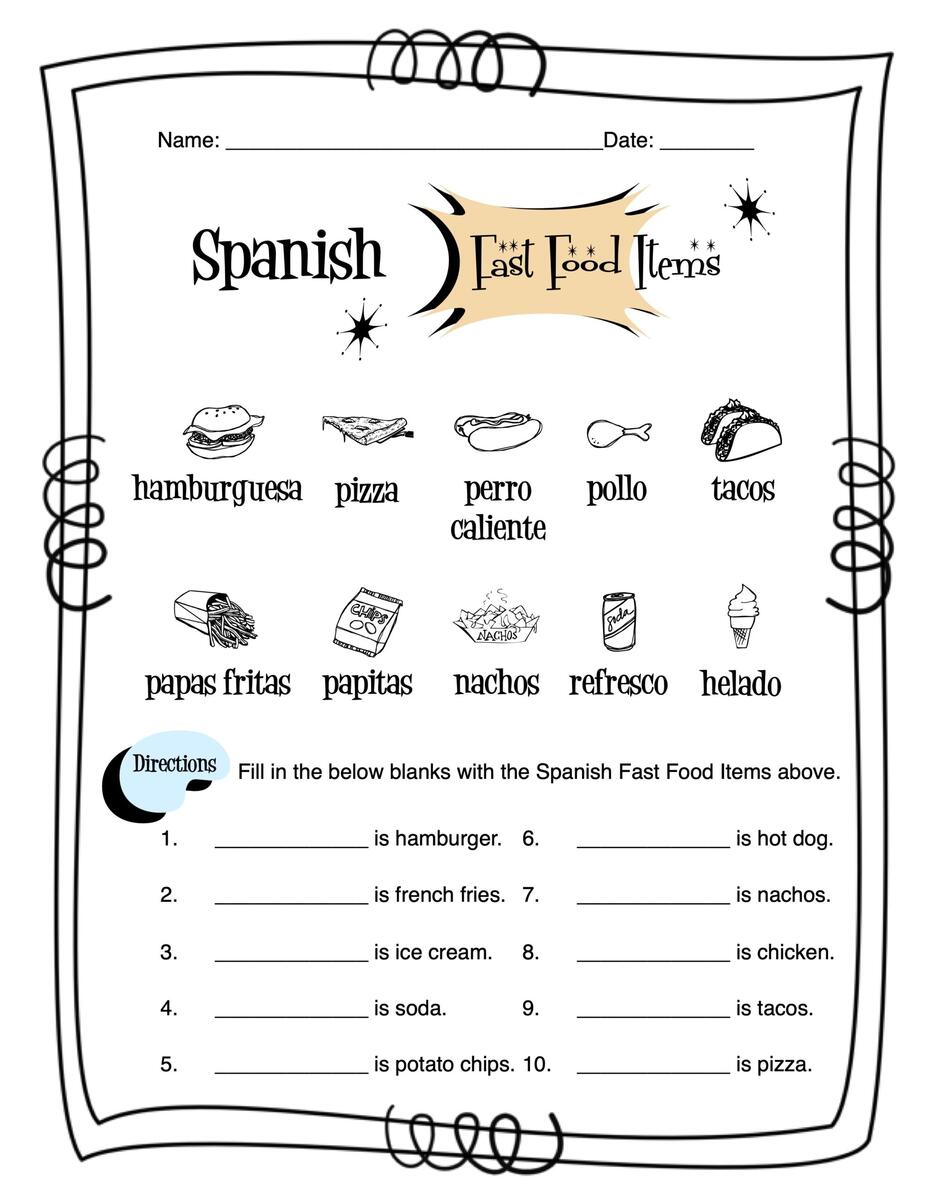
Spanish Fruits Worksheet Packet Made By Teachers
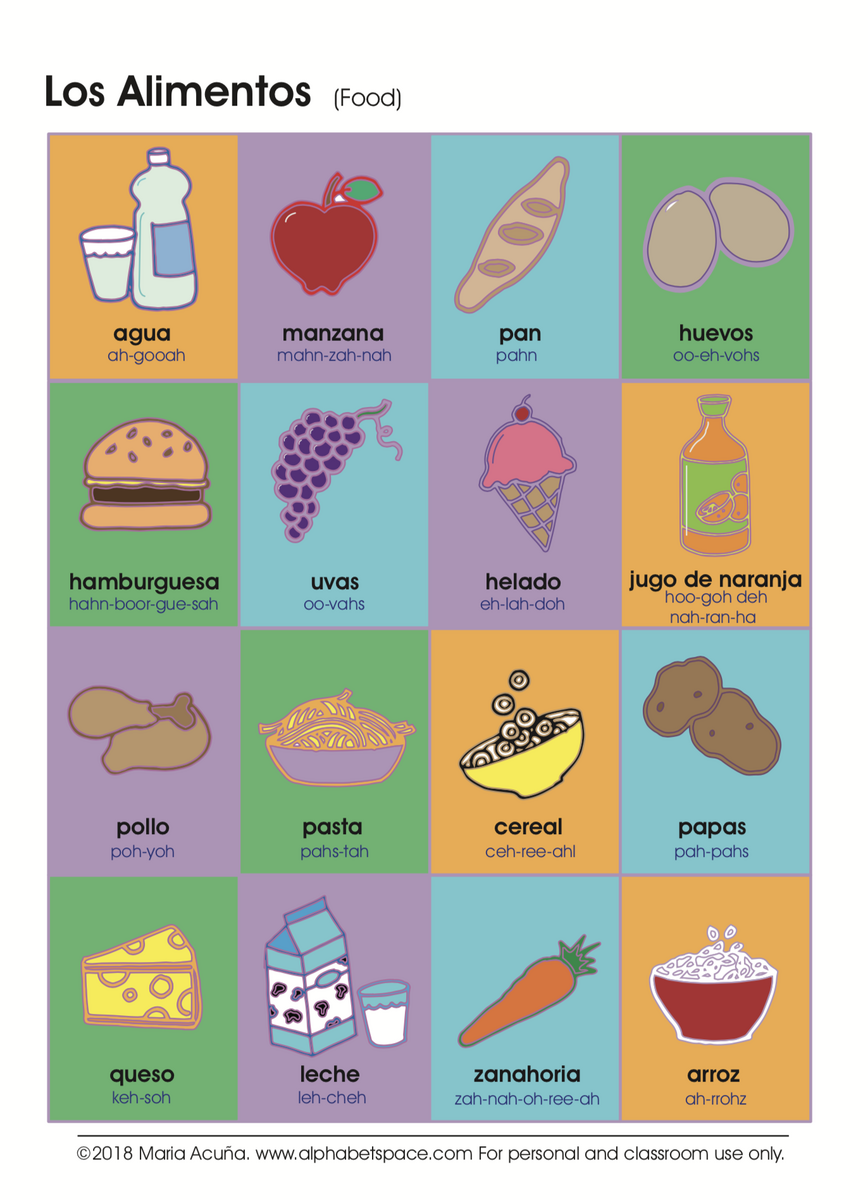
Los Alimentos Food Spanish Learning Resources