Learning to identify characters in a story is a fundamental skill for kindergarten students. It helps them understand the plot, develop their critical thinking skills, and enhance their overall reading comprehension. With the help of kindergarten worksheets, teachers and parents can make this learning process fun and engaging for young minds. By introducing character identification at an early age, children can develop a deeper appreciation for storytelling and a stronger foundation for future literary analysis.
As children progress through their educational journey, they will encounter a wide range of stories, each with its unique set of characters. Being able to identify and analyze these characters will help them better understand the story’s themes, motifs, and plot twists. Moreover, this skill will also enable them to make connections between the story and their own experiences, fostering a deeper level of empathy and understanding. With the right tools and resources, such as identifying characters in a story kindergarten worksheets, children can develop this essential skill and become more confident readers.
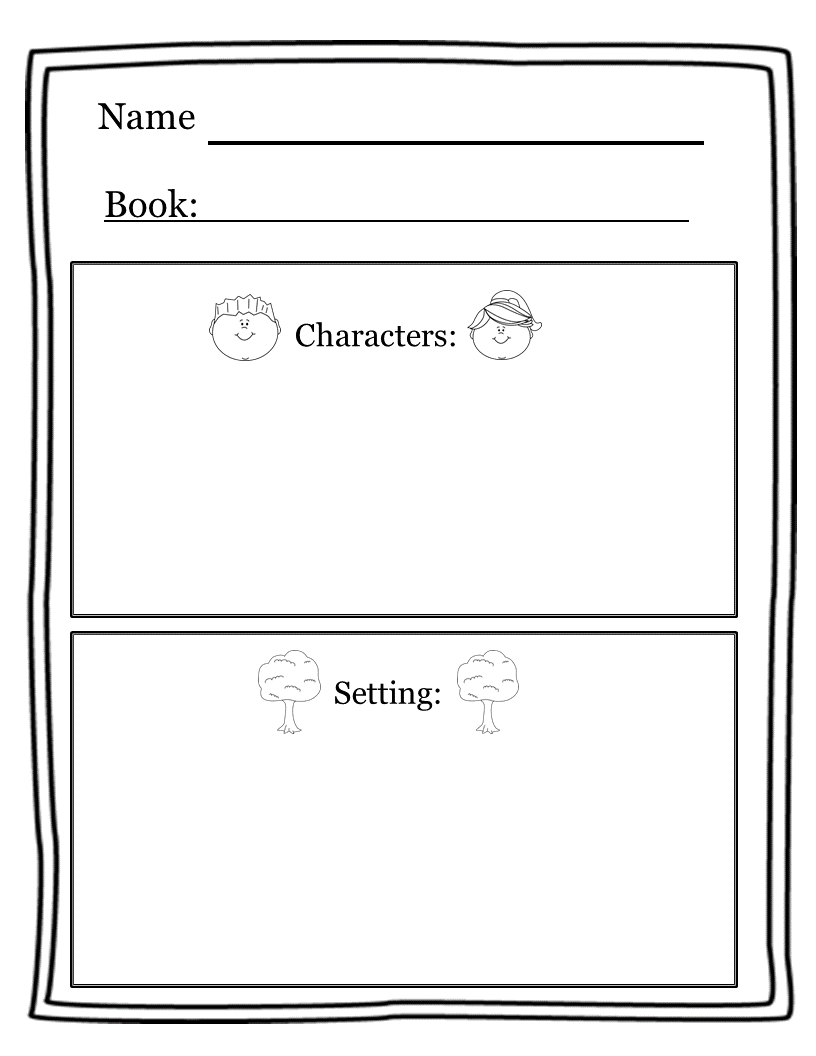
Character Setting Worksheet
The Importance of Character Identification
The importance of character identification cannot be overstated. By recognizing the different characters in a story, children can begin to understand their roles, motivations, and relationships with one another. This, in turn, helps them develop a more nuanced understanding of the story’s plot and themes. Furthermore, character identification also enables children to analyze the characters’ actions, dialogue, and interactions, which can provide valuable insights into the story’s meaning and significance. With the help of kindergarten worksheets, children can practice identifying characters in a story and develop a stronger foundation for future literary analysis.
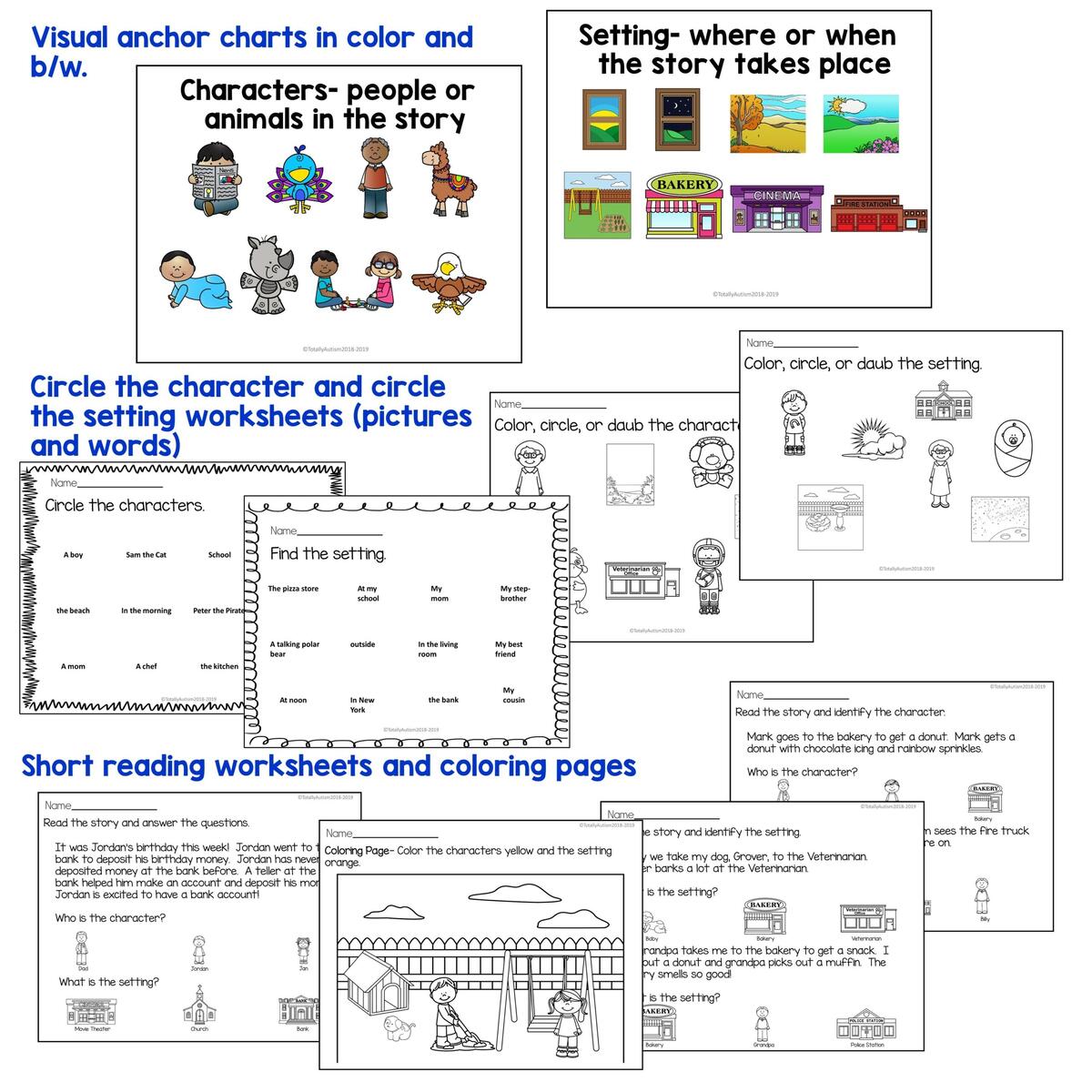
Story Elements Identify Character And Setting Special Ed Made By Teachers
Developing Critical Thinking Skills
Developing critical thinking skills is a crucial aspect of identifying characters in a story. By analyzing the characters’ actions, dialogue, and interactions, children can learn to think critically about the story and its themes. This involves making inferences, drawing conclusions, and evaluating evidence, all of which are essential skills for literary analysis. Moreover, critical thinking also enables children to consider multiple perspectives, challenge assumptions, and develop well-supported arguments. With the help of kindergarten worksheets, children can practice critical thinking and develop a more nuanced understanding of the stories they read.
Fun and Interactive Worksheet Activities
Kindergarten worksheets offer a wide range of fun and interactive activities for identifying characters in a story. From matching games to character maps, these worksheets provide children with engaging and challenging exercises that help them develop their critical thinking skills. Moreover, these worksheets can also be tailored to meet the needs of individual children, providing extra support or challenges as needed. With the help of these worksheets, children can develop a deeper understanding of the stories they read and become more confident, critical thinkers.
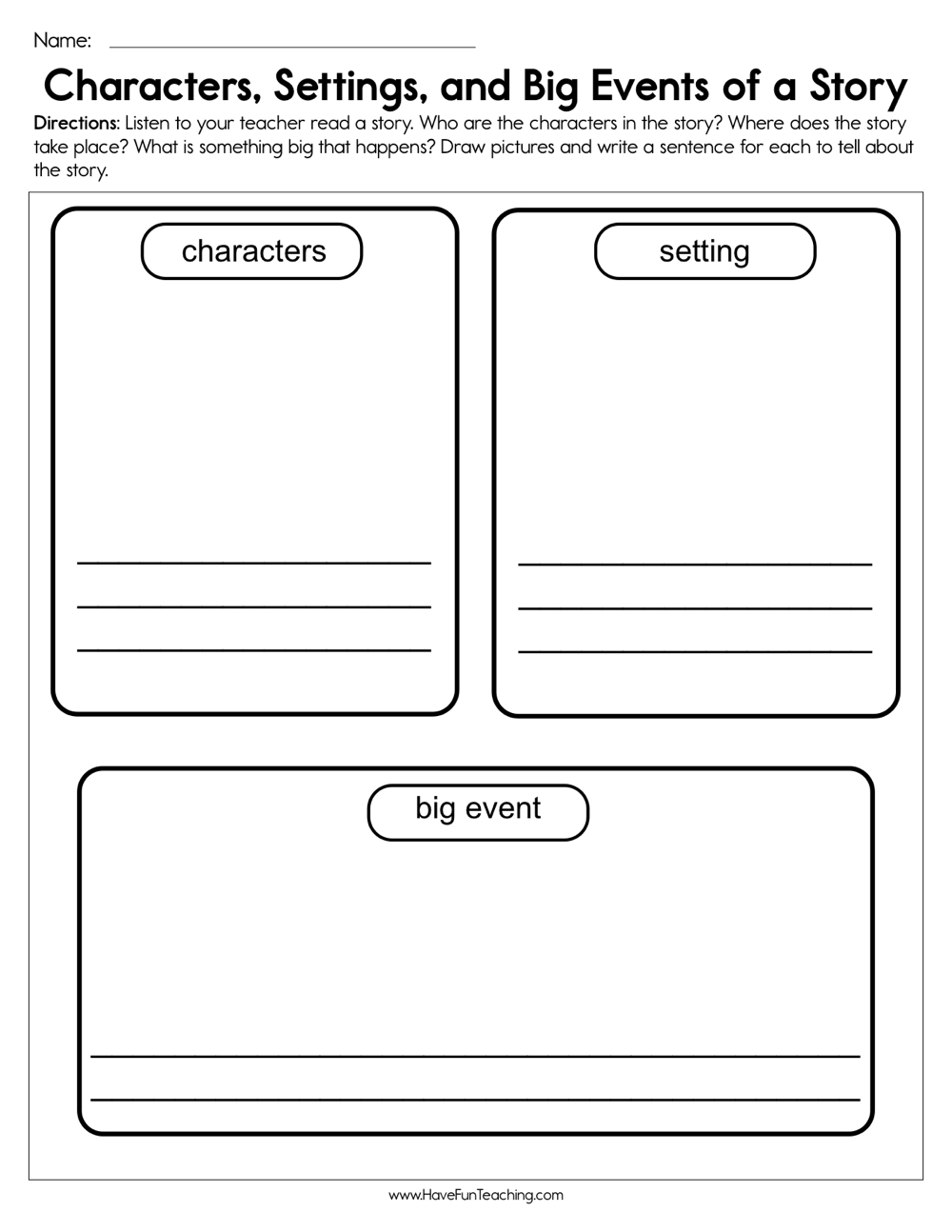
Characters Settings And Big Events Worksheet By Teach Simple
In conclusion, identifying characters in a story is a vital skill for kindergarten students. With the help of kindergarten worksheets, children can develop this essential skill and become more confident readers. By providing a range of fun and interactive activities, these worksheets can help children develop their critical thinking skills, analyze characters, and understand the story’s plot and themes. Whether you are a teacher, parent, or caregiver, incorporating identifying characters in a story kindergarten worksheets into your literacy program can have a lasting impact on your child’s educational journey.
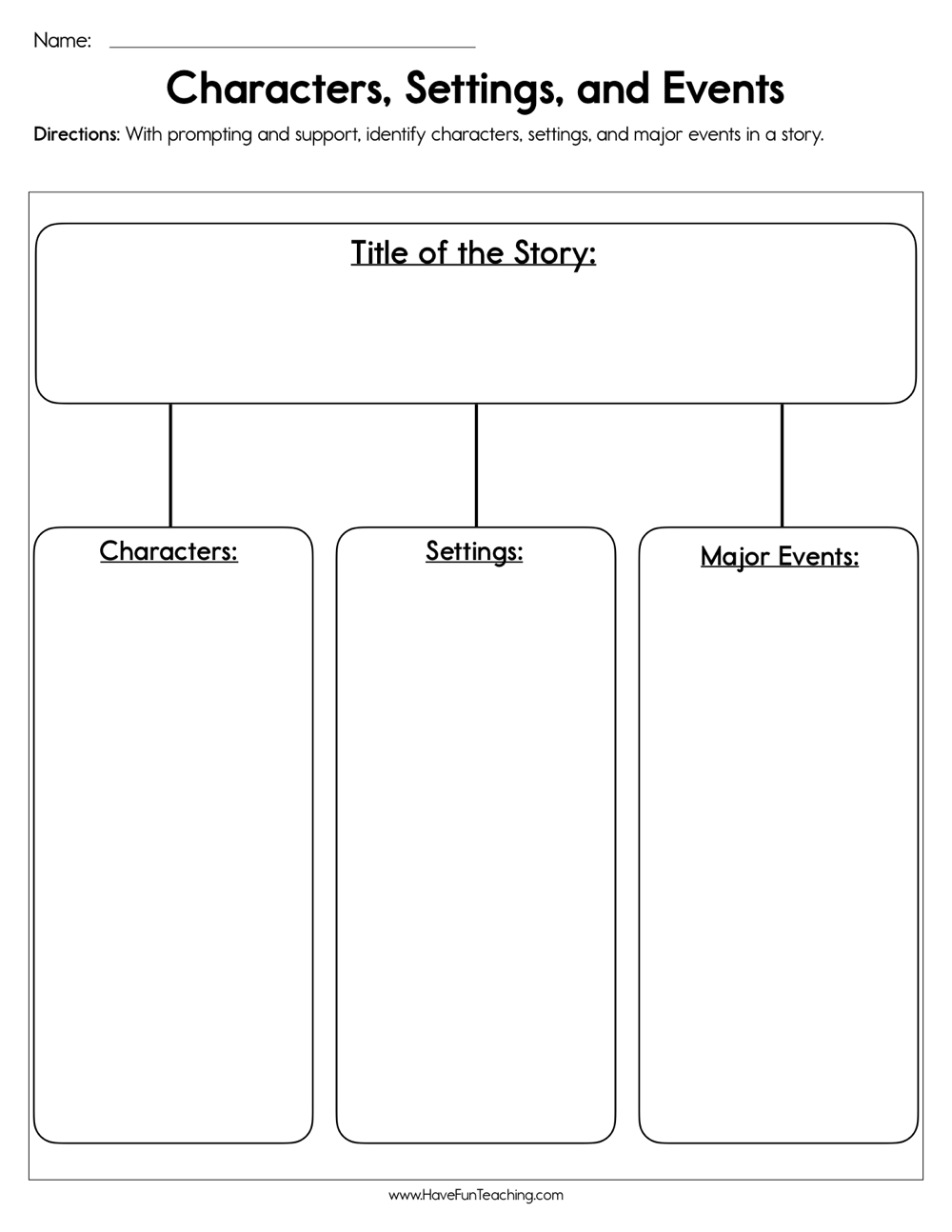
Characters Settings And Events Worksheet Have Fun Teaching
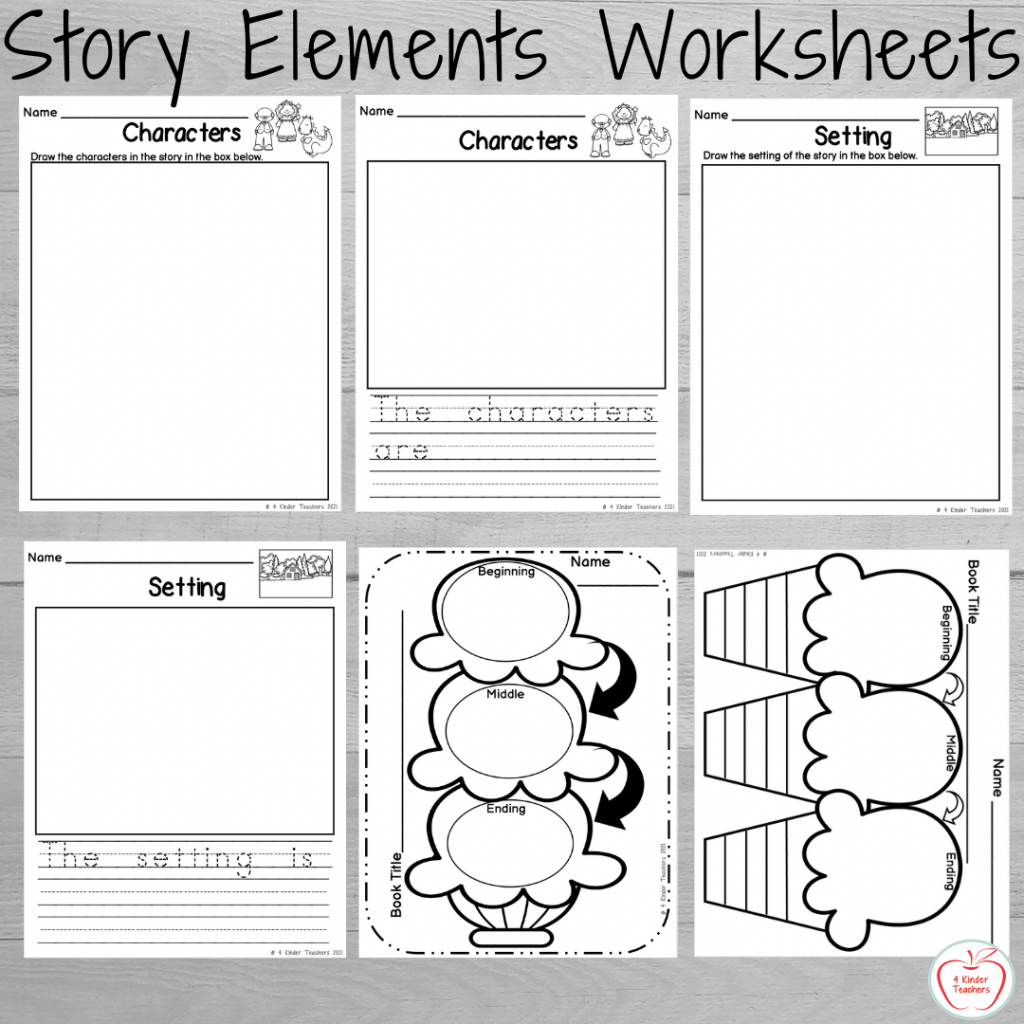
How To Teach Story Elements In Kindergarten 4 Kinder Teachers